
Legal Playbook DevelopmentOur attorneys extract decision criteria from your past contracts and review history and put the acceptable position for each clause into words.
- Response time
- 1 business day*
- First consultation
- 30 min free
- Scope
- Decision criteria · Comment templates · AI integration
* As a rule, for contract reviews and routine legal questions. For complex or urgent matters we propose a schedule that fits the matter.
Client companies served*
150+Selected clients shown, in no particular order. * Clients and partners. Not limited to Legal Playbook Development matters.











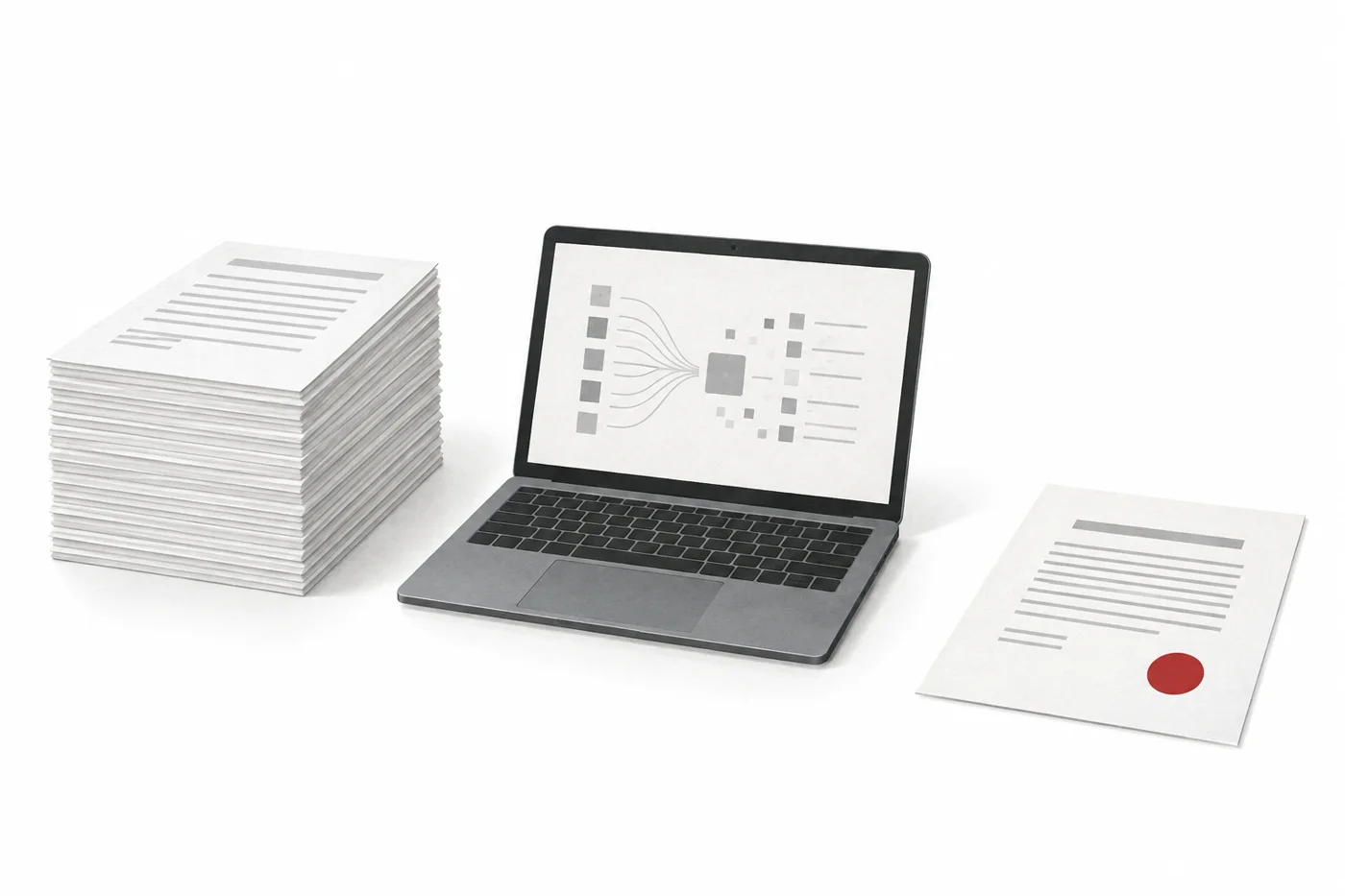
Turning your contract review criteria into a playbook
A legal playbook is a set of decision criteria that brings together, for contract review and legal consultation, the terms your company seeks, the alternatives it can accept and the conditions under which a matter goes back for internal review. We read your actual decisions from past contracts and review comments and organize each clause into three tiers: preferred position, acceptable alternative and criteria requiring internal review.
- Review strictness changes with the person in charge
- There are no criteria for leaving high-volume contracts to business units
- Past review history cannot be searched or reused
- The company standards you would give generative AI are not written down
Why LegalAgent
With LegalAgent, you can put your decision criteria into words and share them
We build your standards in three ways: fast answers, fees you know before we start, and deliverables you can use separately for the counterparty and internally.
-
01Speed
Typical law firms
3–5 business daysLegalAgent1 business day, as a rule
Narrow the scope and start with your most-used contracts
We answer contract reviews and routine legal questions within one business day as a rule. You can also start a playbook limited to specific contract types, such as NDAs and service agreements.
-
02Fees
Hourly billing
Total unknown at the startLegalAgentScope and fee set before we start
Fees set by the number of contract types
We ask about the number of contract types covered, the state of your existing review history and whether structuring for generative AI reference is needed, and give you an estimate before we start. Matter-based work is generally on a fixed fee.
-
03Deliverables
- Fallback table by clause
- Comment templates
- Table of criteria for self-decision
- Draft structure for AI reference
We write separately for the counterparty and for internal use
For each clause, we create separate templates for explanations used in internal discussion and for negotiation text that can be sent to the counterparty as is, and also set out criteria for when to use each.
* Response times are for contract reviews and routine legal questions; they vary by matter.
How it works
The AI Agent reads the history; attorneys put decision patterns into words
The AI Agent organizes review history, extracts decision patterns and drafts comment templates; attorneys draw the line between what is kept as a standard and what is decided case by case.
AI Agentdoes the work
- Organizes decisions clause by clause from review history
- Extracts recurring issues and issues where decisions were split
- Drafts fallback tables and comment templates
Attorneysmake the judgment
- Consider the preferred position and alternatives for each clause
- Draw the line between what business units decide and when matters go back to legal
- Take responsibility for the final content of the playbook
- STEP 01Reviewing existing materials and review history
For each contract type, identify the issues repeatedly considered and the issues on which decisions differ from case to case
List of contract types covered and key issues
- STEP 02Extracting decision criteria and designing fallbacks
For each clause, set out the preferred position, the acceptable alternative and the criteria requiring internal review
Table of acceptable positions and fallbacks by clause
- STEP 03Creating comment templates and delegation criteria
Create templates for internal and counterparty comments and criteria for delegating authority to business units
Comment templates and table of criteria for self-decision
- STEP 04Delivering the draft playbook and designing its operation
Finalize the draft playbook and propose the revision process, training approach and how to connect it to generative AI
Full draft playbook and draft revision process
- Attorneys make the final callAn attorney checks every deliverable and takes responsibility for it.
- Your inputs are not used to train AIOn top of attorneys' statutory duty of confidentiality, we work in an environment where your inputs are not used to train AI.
- An AI Agent built in-houseOur own engineers develop it. Information Security Policy
Use cases
Common requests and what you receive
How a playbook development engagement proceeds depends on how existing inconsistencies and reliance on individuals are made visible and at what level of detail decisions are articulated.
-
01
Business units have pointed out that review quality changes when the person in charge changes
If left aloneEach time staff change, terms become stricter or looser, and distrust spreads in business units because similar contracts produce different results
What we doReview recent contracts and review history, and extract the patterns of how each clause has actually been decided
What you receive- List of decision patterns
- Table of acceptable positions by clause
- Draft playbook for handover
-
02
You want to delegate first-line decisions on high-volume contracts such as NDAs and service agreements to business units
If left aloneIf authority is handed over without criteria for first-line decisions, even clauses that must not be conceded get through on business units' judgment
What we doFor each contract type, draw the line between what business units may decide themselves and the conditions under which matters go back for legal review
What you receive- Table of criteria for self-decision
- List of escalation conditions
- Operating guide for business units
-
03
There is a past review history, but it has not been articulated as decision criteria
If left aloneKnow-how remains tied to individual staff and cannot be reproduced after they leave or move
What we doRead through recent review comments by contract type, and separate decisions that recur from issues where views differ case by case
What you receive- Table of key issues by contract type
- Acceptable positions with conditional branches
- Clear identification of areas decided case by case
-
04
You want to set your own standards as a precondition for having generative AI review contracts
If left aloneIf AI is given vague standards, it returns only generic comments, and the decision ends up back with staff
What we doOrganize each issue in the playbook at a level of detail and in a structure AI can refer to, and separate information that may be given to AI from information that may not
What you receive- Playbook structured for AI reference
- Reference rules
- Table designating reviewers and final decision-makers
-
05
Comments for the counterparty and internal comments get mixed every time, and reworking them before sending takes time
If left aloneCandid risk assessments meant for internal discussion are sent to the counterparty as they are, affecting negotiations and relationships with business partners
What we doCreate templates for internal explanations and for text addressed to the counterparty for each clause, and set out criteria for using each
What you receive- Internal comment templates
- Counterparty comment templates
- Table of criteria for which to use
Scope of our legal playbook development support
We support you step by step, from extracting the decision criteria on which the playbook is based, to putting it in a form that can be referred to on the ground, to connecting it with generative AI and outside counsel.
- Extracting and articulating decision criteria
- We review past contracts and review history and articulate the key issues and acceptable positions for each contract type.
- Taking stock of contract types and frequent issues
- Extracting decision patterns from past review history
- Designing clause-by-clause fallbacks
- Putting it into operation
- We turn the articulated decision criteria into a form that reviewers and business units can actually refer to.
- Creating templates for internal and counterparty comments
- Setting criteria for delegating authority to business units
- Designing revision processes and training
- Connecting with generative AI and outside parties
- We organize the playbook into a form generative AI and outside counsel can refer to, linking it to first-pass review processing.
- Structuring for generative AI reference
- Sharing standards with outside counsel and legal outsourcing providers
Our approach
What we focus on in Legal Playbook Development
In playbook development, we focus on the following points.
- 01
Organizing around what recurs, not the decision of the moment
Rather than only the conclusions in individual matters, we prioritize articulating the decisions that recur in similar matters, and distinguish them from issues that can be decided case by case.
- 02
Organizing each clause into three tiers of fallback
By separating the preferred position, acceptable alternative and criteria requiring internal review for each clause, we create a state in which staff respond with the same weight even when the person in charge changes.
- 03
Drawing lines at a level business units can read
Rather than using expressions understood only within legal, we focus on showing, in the business units' own words, whether a condition is one they can decide for themselves.
- 04
Growing the playbook as a by-product of reviews rather than aiming for a finished product
Rather than trying to cover every issue at once, we design it on the premise of an operation that can be updated iteratively while reflecting recent review results.
Pricing
Legal playbook development fees
Because the workload for playbook development varies with the scope and the state of existing materials, we provide an estimate after hearing the details.
How fees are set
Scope and fee agreed before we startMatter-based work is generally on a fixed fee. For complex or urgent matters, we propose a schedule and an estimate that fit the matter.
First consultation
A free 30-minute online meeting.You can come to us before your documents are in order. Tell us what you know so far.
Free consultationWhat we check before quoting
- The number of contract types covered
- The state of existing review history and internal rules
- Whether designing criteria for delegating authority to business units is included
- Whether structuring for generative AI reference is included
- Whether training and rollout support is needed
Because the items to confirm change with the scope and the state of existing materials, we provide the details of the estimate after hearing about your consultation.
Team & Record
Attorneys who know contract work and legal tech handle your matters
- Contract reviews and drafts
- 2,000+
- Client companies
- 150+
- Startup legal matters
- 200+
- Legal and investment DD
- 20+
* Approximate figures based on matters handled by our firm; actual figures vary by matter.
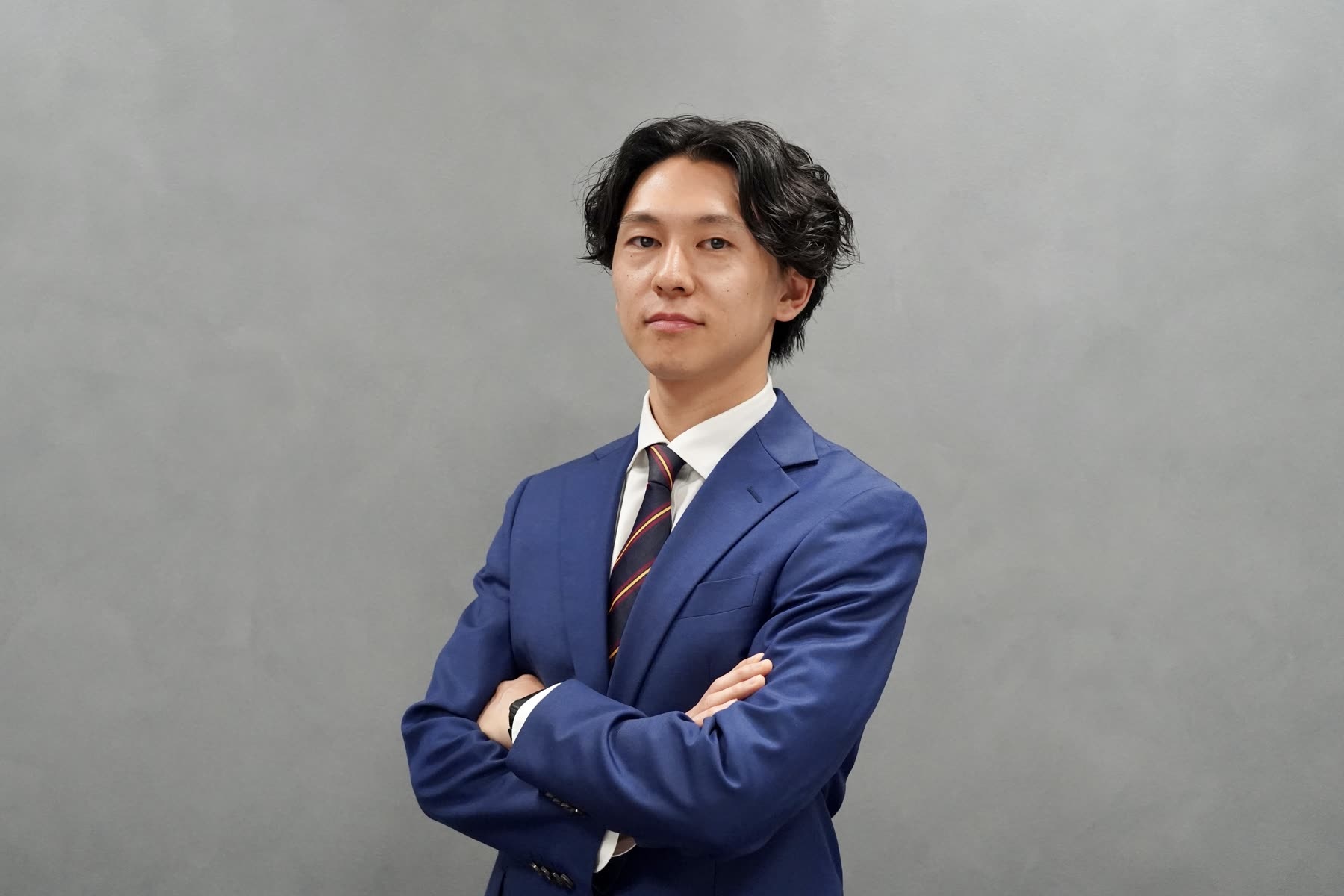 Founders · M&A · FundraisingNoriaki AsatoRepresentative Attorney / Founder & CEO / Dai-ichi Tokyo Bar Association
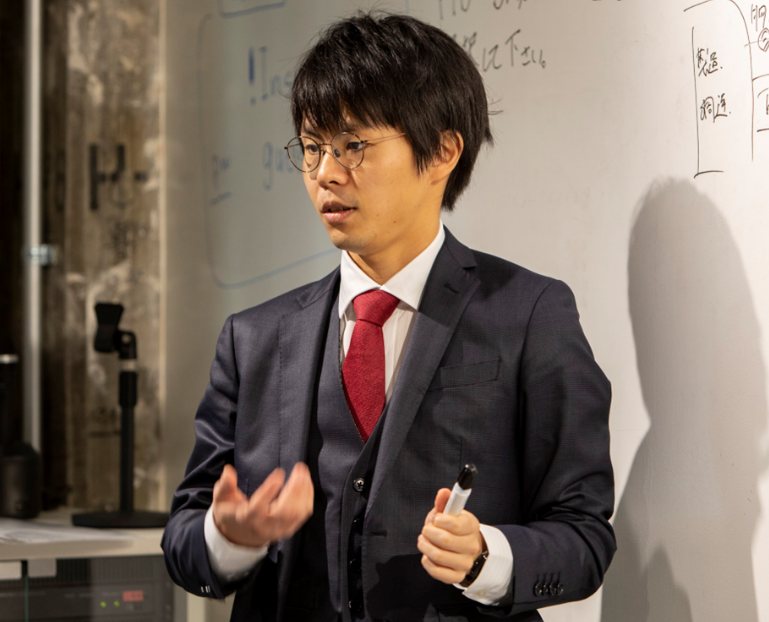 Startup legal · Contract operations DX · Business development experienceTakashi SugaiAttorney / Corporate Legal Practice / Daini Tokyo Bar Association
 Intellectual property · Patent disputes · Japan Patent Office secondmentKosuke HirukawaAttorney / Intellectual Property Practice / Tokyo Bar Association
Engineers
Shinya Makita and Sota Miya build our product on the same team as the attorneys.
Guides to creating and operating a legal playbook
- Designing Contract Review Comments: Writing Separately for Internal Readers and the Counterparty
- What Is Contract Review Intake? The Information to Gather First to Speed Up Contract Review
- Drafting a Legal FAQ and Contract Glossary: Building Internal Knowledge with Generative AI
- What Is Contract Review? How to Conduct Contract Reviews and Key Checkpoints in the Age of AI
- Why Does Contract Review Take So Long?
FAQ
Frequently asked questions
What is a legal playbook?
It is a set of decision criteria that brings together, for each contract type and clause, your company's preferred position, the alternatives it can accept and the conditions for checking with legal or business leaders. We can start creating one even when your review history and internal rules are not yet organized.
Can we engage you even if our past review history and decision criteria have not been articulated?
Yes. If the only standards are those in staff members' memories, we start by extracting decision patterns while reviewing recent contracts and review comments together with you.
Can we cover only some contract types?
It is possible to create a playbook focused on specific contract types, such as NDAs and service agreements. We set the scope at the first consultation.
Can you create a playbook on the premise that it will be loaded into generative AI?
Yes. After separating information that may be given to AI from information that may not, we organize it into a structure AI can easily refer to.
Can we consult you about operating and revising the finished playbook?
Yes. We also set out the design of a process for updating it to reflect review results and a training approach for staff.
Can we also ask you to review individual contracts themselves?
Yes. Whether you need only individual contract reviews or want us to review actual contracts in parallel with developing the playbook, we set the scope of support according to your purpose.
Can we also ask you to design the legal department's overall workflow and develop AI usage rules?
This page covers creating the playbook as a deliverable. Designing the legal department's workflows and developing AI usage rules as a whole are handled on the Legal Department AI Enablement page.
What is the difference between one-off creation and ongoing revision support?
In a one-off engagement, we create and deliver a draft playbook for the contract types covered once. In an ongoing engagement, we also handle revisions based on review results and support for rolling it out to business units and outside counsel.
Contact
Talk to us about building a playbook
Please tell us what you know at this point, such as the contract types you want to cover and your existing review history and internal rules.
- A free 30-minute online first meeting
- You can consult us before your criteria have been put into words
- Individual contract reviews can run in parallel